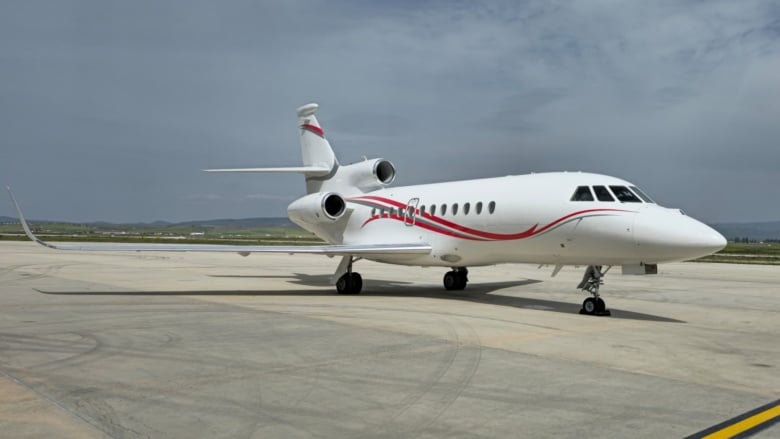
How to Choose the Right Charter Aircraft: Light, Midsize & Heavy Jets Explained (2026)

In this guide
The most common question ASA Air Charter receives from first-time private aviation clients is not about price, or even about destinations. It is this: which aircraft should I book?
It is a fair question, and one the industry does not always answer clearly. Most charter enquiry forms ask for your departure and arrival airports, your dates, and your passenger count — and then present a list of available aircraft and prices without much context. If you have never chartered a private jet before, that list can feel bewildering.
This guide answers all of those questions in practical terms, with a specific focus on what each category means for travel across Asia. By the end, you should have a clear sense of which aircraft fits your next trip — and why.
Light jet: 4–7 passengers, up to ~3,500 km, ideal for routes under 3 hours. Midsize jet: 6–9 passengers, up to ~5,500 km, the most versatile choice for intra-Asian travel. Super-midsize: 8–10 passengers, up to ~7,500 km, full stand-up cabin. Heavy jet: 8–16 passengers, intercontinental range, for non-stop flights between Asia and Europe, the Middle East, or North America.
2–4 pax · up to 2,200 km · USD 3,500–4,500/hr
4–7 pax · up to 3,500 km · USD 4,500–6,500/hr
6–9 pax · up to 5,500 km · USD 6,500–9,500/hr
8–10 pax · up to 7,500 km · USD 8,500–12,000/hr
8–14 pax · up to 12,000 km · USD 11,800–18,000/hr
10–19 pax · 14,000 km+ · USD 15,000–25,000+/hr
The Master Comparison: All Categories Side by Side
All pricing reflects indicative hourly charter rates in the Asian market as of 2026. Actual quotes vary by route, operator, positioning requirements, and season.
ⓘ Price disclaimer: All figures shown are estimates only and are provided for general guidance. Actual charter costs vary depending on aircraft availability, route, season, fuel surcharges, positioning requirements, landing and handling fees, and other factors. Prices can change at any time without notice. Contact ASA Air Charter for an accurate, all-inclusive quote for your specific trip.
| Category | Pax | Range | Cabin Height | Hourly Rate (USD) | Best Asian Routes |
|---|---|---|---|---|---|
| Very Light Jet | 2–4 | ~2,200 km | 1.2 – 1.4 m | 3,500 – 4,500 | SIN–KUL, BKK–USM |
| Light Jet | 4–7 | ~3,500 km | 1.3 – 1.5 m | 4,500 – 6,500 | SIN–BKK, MNL–CEB, DPS–LBJ |
| Midsize Jet | 6–9 | ~5,500 km | 1.5 – 1.7 m | 6,500 – 9,500 | SIN–HKG, KUL–NRT, BKK–PEK |
| Super-Midsize Jet | 8–10 | ~7,500 km | 1.7 – 1.8 m | 8,500 – 12,000 | SIN–SYD, HKG–DXB, KUL–DEL |
| Heavy Jet | 8–14 | ~12,000 km | 1.8 – 1.95 m | 11,800 – 18,000 | SIN–LHR, HKG–JFK, KUL–DXB |
| Ultra-Long-Range Jet | 10–19 | 14,000 km+ | 1.9 – 2.0 m | 15,000 – 25,000+ | Non-stop Asia–USA, Asia–Europe |
Airport codes: SIN (Singapore), KUL (Kuala Lumpur), BKK (Bangkok), USM (Koh Samui), MNL (Manila), CEB (Cebu), DPS (Bali), LBJ (Labuan Bajo), HKG (Hong Kong), NRT (Tokyo Narita), PEK (Beijing), SYD (Sydney), DXB (Dubai), DEL (Delhi), LHR (London), JFK (New York)
Light Jets: Efficient, Accessible, and Right for Most Regional Hops
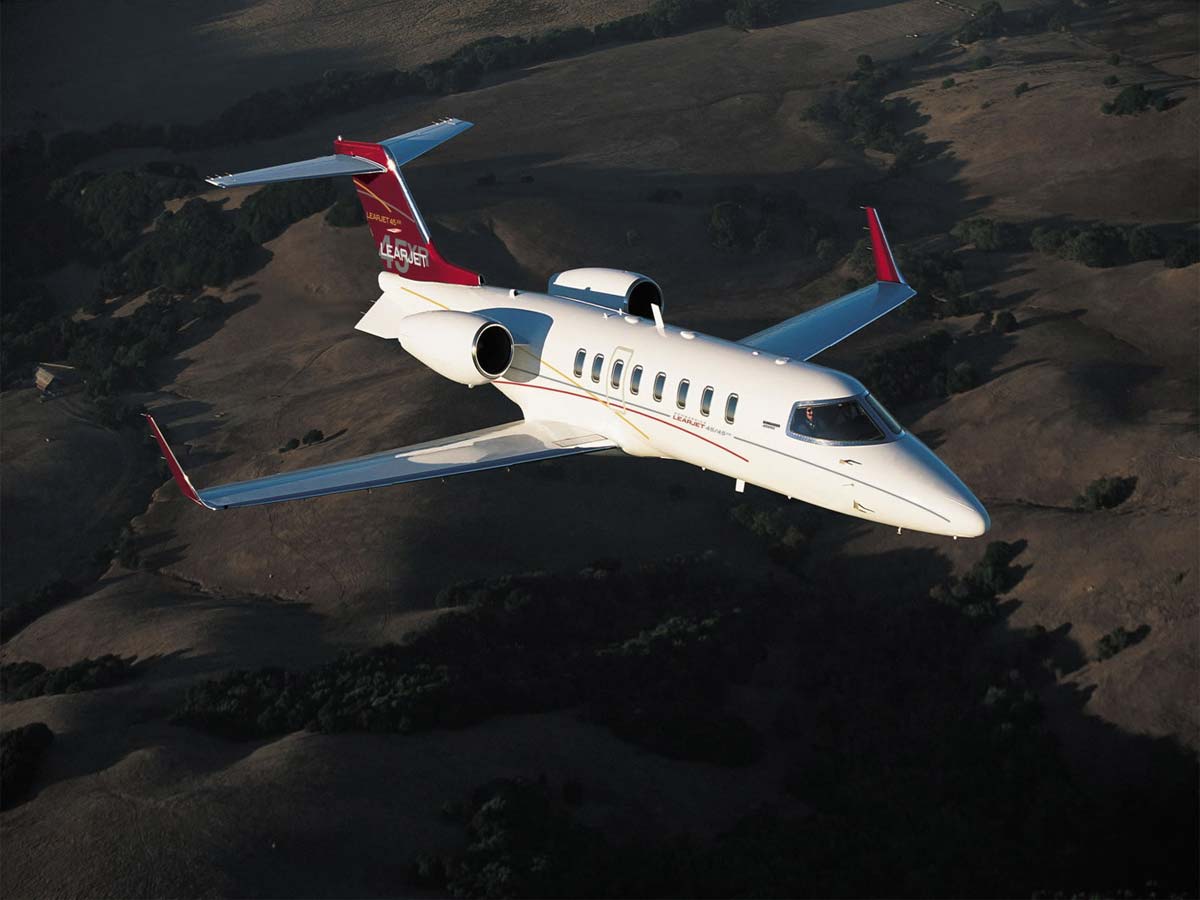
Light jets occupy the sweet spot between cost-efficiency and genuine comfort for routes up to around three hours. The interiors of modern light jets — particularly the HondaJet Elite II and the Embraer Phenom 100EV — are a long way from the cramped experience some people expect.
For most intra-Southeast Asian routes, a light jet does everything a heavy jet does at roughly 40–60% of the cost. Singapore to Kuala Lumpur, Bangkok to Chiang Mai, Manila to Cebu, Jakarta to Bali — these are all light jet territory unless you are travelling with more than seven passengers or have a specific reason to need something larger.
Light jets can also operate from shorter runways, which in Southeast Asia means access to a wider range of airports — including several island destinations in the Philippines and Indonesia that midsize or heavy jets cannot use.
Recommended light jets for Asian routes
- HondaJet Elite II — over-fuselage engines create unusual cabin space for its class · 5 passengers · 2,660 km range
- Cessna Citation M2 Gen2 — reliable, versatile, short-runway capable · 7 passengers · 2,850 km range
- Embraer Phenom 100EV — refined interior, ideal for 2-hr hops · 4 passengers · 2,183 km range
- Pilatus PC-12 NGX — turboprop, but essential for short/unpaved runways across the Philippines and Indonesia · 9 passengers
Midsize Jets: The Most Versatile Aircraft for Asia Travel
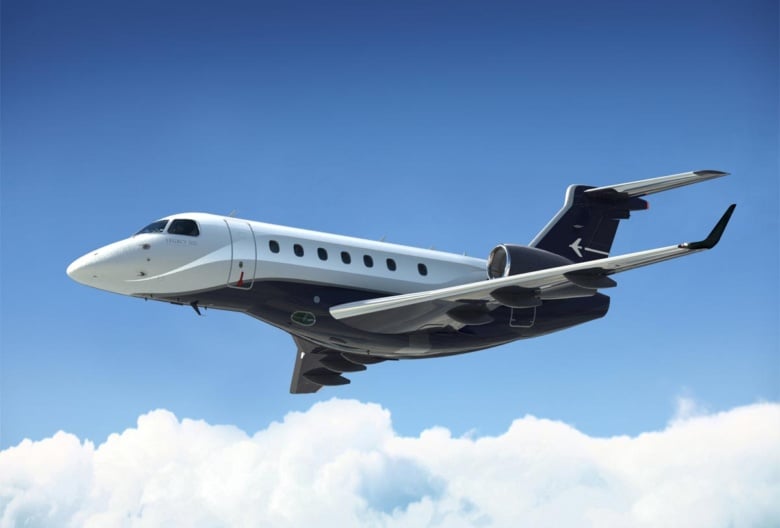
If you were forced to choose one category for the broadest range of Asia travel scenarios, a midsize jet would win almost every time. It carries six to nine passengers comfortably, has a range that covers most major city pairs in the region, offers a stand-up or near-stand-up cabin on most models, and prices that are meaningfully less than the super-midsize tier.
The Singapore–Hong Kong sector (3.5 hours), Kuala Lumpur–Tokyo (6 hours), Bangkok–Beijing (4 hours), and Manila–Seoul (3.5 hours) are all natural midsize jet routes. For business travel where you are flying with four to eight colleagues and need room to work at a table, the midsize tier is where most experienced charterers settle.
One important note: the midsize category spans a significant internal range. The Phenom 300E sits at the smaller end in terms of cabin size, while the Citation XLS+ or Hawker 900XP offers considerably more room. Ask for interior dimensions and photos if you have not flown in that specific aircraft before.
Recommended midsize jets for Asian routes
- Cessna Citation XLS+ — a staple of Asian charter fleets · 9 passengers · 5,750 km range · flat floor
- Embraer Phenom 300E — one of the best-selling jets globally · 7 passengers · 3,650 km range
- Bombardier Learjet 75 Liberty — quick to climb, efficient at altitude · 8 passengers · 3,780 km range
- Hawker 900XP — genuine stand-up cabin · 8 passengers · 5,130 km range
Super-Midsize Jets: Long Legs and a Full Standing Cabin
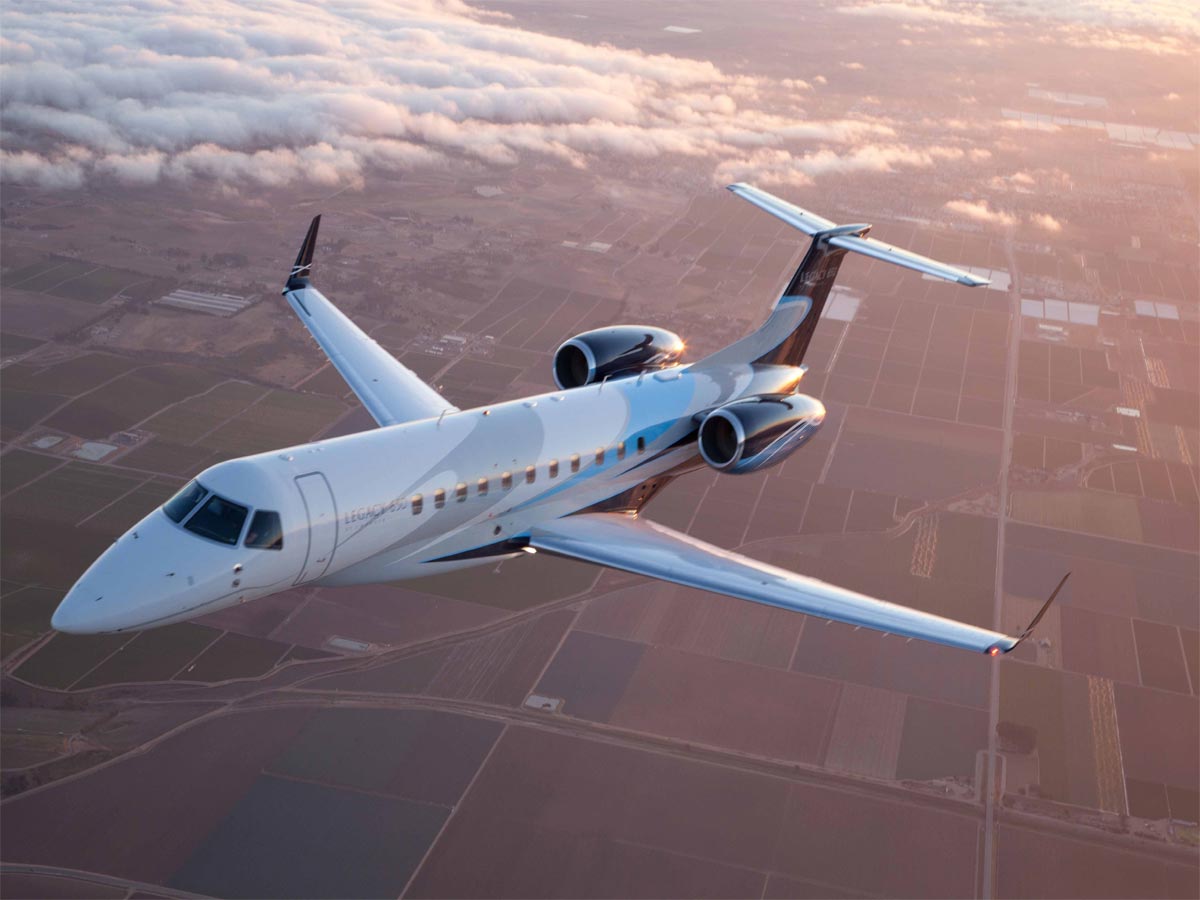
The super-midsize category is where private air travel starts to feel genuinely unrestricted. Full stand-up headroom (typically 1.7–1.85 metres), a proper galley with real catering options, lay-flat seating on most models, and the range to fly from Singapore to Sydney or Hong Kong to Dubai without stopping — these aircraft eliminate the compromises that lighter categories involve.
For Asia-based travellers flying regularly between the region and Australia, the Middle East, or Central Asia, a super-midsize charter is often the most practical choice: cheaper than a heavy jet, significantly more comfortable than a midsize on a five-to-seven-hour sector.
Recommended super-midsize jets
- Bombardier Challenger 350 — arguably the most popular super-midsize in Asia · 9 passengers · 7,408 km range
- Cessna Citation Longitude — quiet, technologically advanced · 8 passengers · 6,482 km range
- Gulfstream G280 — exceptional range for the category · 10 passengers · 6,852 km range
- Dassault Falcon 2000LXS — French-built, wide cabin · 8 passengers · 7,408 km range
💡 Catering tip: At the super-midsize level, the galley service expands considerably. Pre-ordered meals from specific restaurants, premium spirits, fresh-cut flowers — this is the tier where the full bespoke private aviation experience becomes standard rather than an upgrade. Ask your charter broker for catering options when you book.
Heavy Jets: No Compromises, True Intercontinental Range
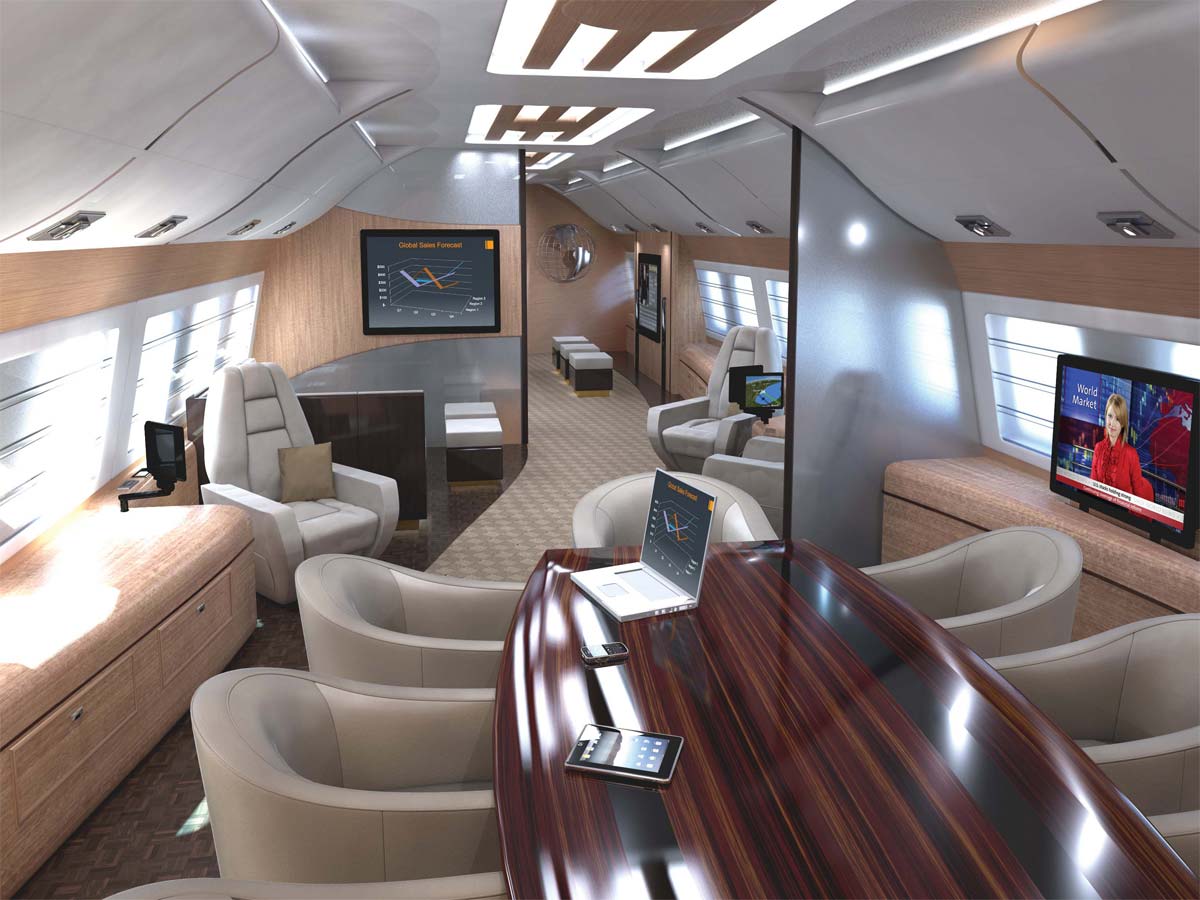
Heavy jets are built for long-haul international travel, and in Asia, that means the routes that genuinely need them: Singapore or Hong Kong to London, Kuala Lumpur to New York, Tokyo to Dubai. They carry eight to fourteen passengers in a cabin that typically features a dedicated bedroom, a full-length divan, and a galley staffed by a flight attendant. On a 13-hour Singapore–London sector, this is not luxury — it is a necessity.
Where heavy jets are sometimes booked unnecessarily is on short-to-medium Asian sectors. Singapore to Bangkok does not require a Gulfstream G650. For four passengers on a 90-minute flight, the additional cost buys nothing meaningful. The categories below the heavy tier are not inferior — they are simply designed for different missions.
Leading heavy jets on Asian charter routes
- Gulfstream G650ER — 13 passengers · 12,964 km range · the benchmark for ultra-long-range
- Bombardier Global 7500 — 14 passengers · 14,260 km range · the longest range in commercial production
- Dassault Falcon 8X — 14 passengers · 11,945 km range · three engines · exceptional short-field performance
- Boeing BBJ (Business Jet) — 19+ passengers · custom interior · for family offices and government travel
The Decision Framework: Four Questions That Determine Your Aircraft
When ASA Air Charter's operations team qualifies a charter request, these are the four questions that drive the aircraft recommendation. Work through them and you will arrive at the right category almost every time.
-
How many passengers are travelling?
Below four: a VLJ or light jet is almost always sufficient. Four to seven: light to midsize. Eight to ten: super-midsize. More than ten, or groups requiring a lounge and bedroom: heavy jet territory.
-
How far are you flying?
Range is the hard constraint. Light jets do not do Singapore to Tokyo non-stop (3,320 km — right at their limit, weather-dependent). Midsize jets handle most intra-Asian routes but need a stop on anything over six hours. Super-midsize jets cover the region and into the Middle East or Australia.
-
What is the destination airport like?
In Southeast Asia, this question overrides everything else. If your destination has a runway under 1,500 metres, your aircraft choice is determined regardless of budget or preference. ASA Air Charter checks every destination's runway length, surface, and handling capabilities as standard procedure — before recommending any aircraft.
-
What is your budget?
Approach budget as "what is the most appropriate aircraft for this trip?" not "what is the cheapest I can book?" Booking a heavy jet for a two-hour hop wastes money without improving the experience. Booking a light jet for an eight-hour overnight is a false economy.
A Note on Airport Access Across Asia

The airport situation across Southeast Asia differs materially from what most European or American charterers are used to. In Europe and the US, almost all airports on a charter itinerary have runways capable of handling at least a midsize jet. In Southeast Asia, this assumption regularly fails.
The region has thousands of airports, many built primarily for domestic turboprop services, with runways of 1,000–1,500 metres. For a charter to Siargao (Sayak Airport, 1,200m runway), Caticlan (1,050m, the gateway to Boracay), or Labuan Bajo (with weight restrictions), the aircraft choice is driven by the destination rather than your preferences.
Always brief your charter broker on the destination before discussing aircraft type. Your air charter broker will know which aircraft are suitable for which airport.
One More Consideration: Empty Leg Opportunities
Empty legs — sectors flown to reposition an aircraft between charter assignments — are available across Asia on a regular basis, offering discounts of 25–75% on the standard charter rate. If your schedule has some flexibility, asking ASA Air Charter's team about empty leg availability on your route is always worth a conversation.
How empty legs work
An empty leg is created when a confirmed charter is booked on one end of a sector, and the aircraft needs to reposition — either to pick up the next client, or to return to base. The seat pricing can be dramatically lower than a standard charter, but availability is tied to confirmed bookings elsewhere in the schedule. They suit travellers with flexibility on timing; for time-critical travel, a confirmed charter is the right choice.
Frequently Asked Questions
The Bombardier Challenger 350 and Cessna Citation XLS+ are among the most frequently chartered aircraft in the Asian business aviation market. Both offer full stand-up cabins, competitive range, and capacity for six to nine passengers.
Yes — you pay for the aircraft, not per seat. A light jet chartered for two passengers costs the same as the same aircraft with seven on board. Solo and paired travel by private charter is more common in Asia than most people expect, particularly on time-critical business sectors.
When you charter a private aircraft, you pay for a specific flight with no ongoing commitment. Fractional ownership involves purchasing a share in an aircraft (or fleet programme) and paying monthly management fees in exchange for guaranteed availability. Charter is more flexible; fractional ownership typically makes sense for travellers flying more than 50–100 hours per year who want a consistent aircraft type and guaranteed access.
You pay for the total cost of the flight: aircraft flying time, crew, fuel, landing and handling fees at both ends, catering, and any positioning fees if the aircraft needs to be ferried to your departure airport. On popular routes between major hubs, positioning fees are often zero. On more remote departures, they can add 20–40% to the total cost. ASA Air Charter quotes all-inclusive on most bookings — the clearest way to compare options.
Ask your charter broker or operator for the operating certificate of the aircraft you are considering, and verify that the Air Operator Certificate (AOC) is current and issued by the relevant civil aviation authority — CAAS (Singapore), CAAM (Malaysia), CAAT (Thailand), CAB (Philippines), or DGCA (Indonesia). ASA Air Charter has held its own operating credentials in Asia for over 25 years, and transparency about certification is something the team considers non-negotiable.
For point-to-point charters between major airports, 3–5 business days is typically sufficient. Multi-sector itineraries involving smaller airports, overflight permits, or peak travel periods — Chinese New Year, Songkran, Christmas in Bali — benefit from five to ten business days of lead time. For first-time bookings, building in a week gives ASA's team room to source the most appropriate aircraft and confirm all ground logistics.
Ready to Charter? Talk to an Asian Aviation Specialist
ASA Air Charter has operated private aviation services across Asia for over 25 years. Whatever your route, group size, or destination, the team will recommend the most appropriate aircraft — and give you an honest, all-inclusive quote.
Enquire Now →Related: Small Jet Charter in Asia | Heavy Jet Charter in Asia Small Jet Charter in Asia | Private Jet Broker vs Operator