In this guide
- The core difference
- What each one gives you
- When a broker is the better choice
- When booking direct makes sense
- The honest trade-offs
- A note on transparency
- How to decide
- Where booking platforms fit in
- Safety: who actually checks?
- Three quick scenarios
- What to ask before you book
- Frequently asked questions
A broker arranges flights across many operators; an operator owns and flies its own aircraft. For most travellers — varied routes, occasional trips, and a preference for choice and independent vetting — a broker is the better starting point. If you fly the same route repeatedly and want one consistent fleet, booking direct with a strong operator can work well. The honest answer depends on how you fly.
This comes up constantly, and the marketing on both sides muddies it. Below is a straight comparison: what each one actually is, what they give you, when each makes sense, and the trade-offs nobody likes to spell out.
Broker vs Operator: The Core Difference
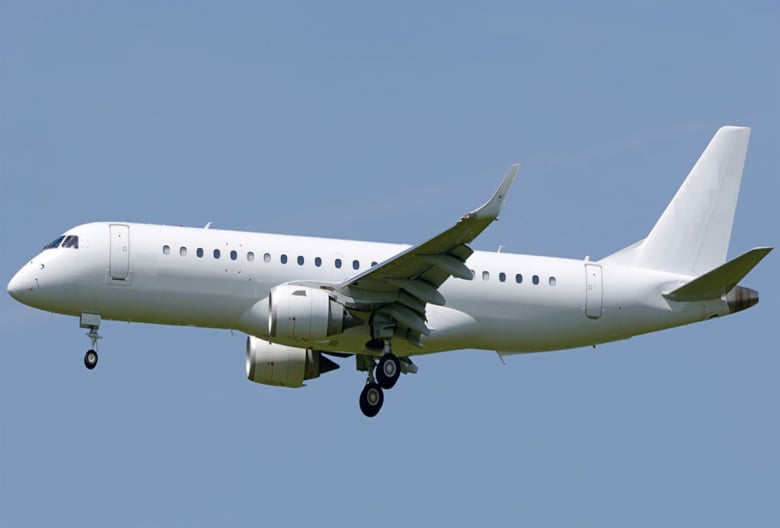
Strip away the labels and it is simple. The operator is the company that holds the Air Operator Certificate (AOC), owns or manages the aircraft, employs or contracts the crew, and physically flies you. The operator is the airline in the picture.
The broker does not hold an AOC and does not fly anyone. It arranges your flight by sourcing aircraft across many operators, vetting them, negotiating price, and coordinating the trip. Think of the operator as the restaurant and the broker as the person who knows every restaurant in town, checks their standards, and books you the right table.
What Each One Gives You
Here is how the two compare on the factors that actually decide a trip. Neither column is all upside — a broker gives breadth and independent vetting; an operator gives consistency and a direct relationship.
| Factor | Broker | Operator (direct) |
|---|---|---|
| Fleet choice | Access to many operators and aircraft types | Own fleet only |
| Safety vetting | Broker verifies AOC, insurance and audits | Your responsibility to check |
| Price comparison | Quotes across multiple operators | One quote, no comparison |
| Consistency | Aircraft may vary trip to trip | Same fleet, same crew each time |
| Complex itineraries | Multi-leg, cross-border, specialist airports | Best on familiar, repeat routes |
| Empty legs | Access to repositioning flights across many operators | Own fleet only |
| Direct relationship | Intermediary involved | Direct with the operator |
| First-time charter | Handles vetting, logistics, options | Requires self-research |
When a Broker Is the Better Choice
A broker tends to win when the trip is varied, complex, or occasional — which describes most charter travel.
- You fly different routes. No single operator's fleet fits every trip, so market access matters.
- You charter occasionally or it is your first time. A broker handles vetting and logistics you would otherwise manage yourself.
- Your itinerary is complex or cross-border. Permits, smaller airports, and multi-leg trips are where coordination earns its keep.
- You want options, not one quote. A broker shows you several aircraft and prices side by side.
- You want empty legs. A broker sees repositioning flights across many operators, where the biggest discounts sit.
When Booking Direct With an Operator Makes Sense

This is where an honest guide differs from a sales pitch. Going direct does suit some people, and pretending otherwise would be misleading.
- You fly the same route repeatedly. A direct relationship with one operator can be simpler and may remove a layer of cost.
- You want a specific, known fleet and crew. Consistency matters to some travellers more than choice.
- You are an experienced charterer. If you know the operators and are comfortable assessing safety yourself, you may not need a broker for straightforward point-to-point trips.
- You fly enough to negotiate your own rate. High-frequency flyers can sometimes secure direct terms a broker cannot beat.
The catch with going direct is that you only ever see one fleet, the vetting falls to you, and on a route that operator cannot cover well, you are back to square one.
The Honest Trade-offs
Three trade-offs decide most of these calls — and they pull in different directions.
Cost
Because a broker quotes across operators, market competition often offsets its margin — and a broker may find a better-positioned aircraft or an empty leg that a direct booking would not surface. Direct booking removes the margin but also removes the comparison, so you cannot easily tell whether your single quote is a good one.
Choice versus consistency
A broker maximises choice; an operator maximises consistency. If you value flying the same aircraft with the same crew, that is a point for going direct. If you value getting the right aircraft for each different trip, that is a point for a broker.
Who does the vetting
With a broker, checking the operator's AOC, insurance, and audit status is the broker's job. Direct, it is yours. For an experienced flyer that is fine; for most people it is a real reason to use a broker.
A Note on Transparency
ASA is an independent broker. We have tried to give the operator-direct case its fair due, because it is real — and because a guide that only argued for brokers would not be worth reading. A broker is the better default for most travellers, while booking direct earns its place for repeat trips on a known route.
How to Decide: A Short Checklist
Run through these and the answer usually becomes clear.
- Do you fly varied routes or the same one repeatedly? Varied points to a broker; repeat points to an operator.
- Do you want to compare options or do you already trust one fleet? Comparison favours a broker.
- Are you comfortable vetting operator safety yourself? If not, a broker does it for you.
- Is the itinerary simple or complex? Complex and cross-border favour a broker.
- How often do you fly? High frequency on one route can make direct terms competitive.
Where Booking Platforms Fit In
There is a third option people lump into this debate: online booking platforms and marketplaces that list aircraft or empty legs. They are useful for browsing prices and seeing what is around, and for a simple, flexible trip they can work. The trade-off is that the vetting usually falls back on you — you are often still dealing with the underlying operator to confirm, and the platform may not check certification the way a broker does. Treat a platform as a research tool, not a substitute for either a broker's vetting or an operator's accountability.
Safety: Who Actually Checks?

Safety depends on the operator and aircraft, not on whether you booked through a broker. Booking direct with a reputable operator, you are trusting that operator's own standards. Through a broker, the broker verifies the operator's Air Operator Certificate, insurance, and any third-party safety audits before booking on your behalf.
Those third-party audits are worth knowing by name. ARGUS and Wyvern both run independent safety ratings for charter operators, and IS-BAO is an international operating standard. An operator that holds these ratings has opened its operation to outside scrutiny — which is exactly what you want to see, whether a broker checks it for you or you check it yourself.
What to look for when checking an operator's credentials
Ask for the Air Operator Certificate number and the issuing authority. Verify the certificate is current with the relevant civil aviation authority — CAAS (Singapore), CAAM (Malaysia), CAAT (Thailand), CAAP (Philippines), or DGCA (Indonesia). Then ask which third-party safety audits the operator holds: ARGUS Platinum/Gold, Wyvern Wingman, or IS-BAO Stage 1–3. A credible operator will share this without hesitation.
Three Quick Scenarios
First-time charter, one-off trip
You want to fly Bangkok to Singapore once for a family event and have never chartered before. Broker
Executive flying the same route weekly
You commute Singapore to Jakarta most weeks and value the same aircraft and crew each time. Here a direct relationship with one strong operator may serve you better — consistent service and possibly a negotiated rate at that frequency. Operator direct
Family on a multi-island Indonesia trip
You are combining Bali, a Komodo-area island, and a remote strip over several days, with different aircraft needed for different runways. No single operator's fleet covers it cleanly and the coordination across aircraft types is the hard part. Broker
What to Ask Either One Before You Book
Whichever route you choose, the same questions protect you.
- Who operates this aircraft — is the AOC current with the relevant authority?
- Is the quote all-inclusive — positioning, handling, catering and taxes?
- What safety audits does the operator hold (ARGUS, Wyvern, IS-BAO)?
- What happens, and what is refundable, if the aircraft goes technical or weather intervenes?
- Who is my contact if something changes, and are they reachable around the clock?
A broker should answer all of these about the operator it is proposing; an operator should answer them about itself. Clear answers are a good sign either way.
Frequently Asked Questions
An operator holds the Air Operator Certificate (AOC), owns or manages the aircraft, and flies you. A broker does not fly anyone — it arranges your flight across many operators, vets them, negotiates price, and coordinates the trip.
Not necessarily. The broker's fee is built into the quote, but market competition across operators frequently makes the all-in price comparable to, or lower than, booking direct — especially on routes where a broker can find a better-positioned aircraft or an empty leg.
Only if it also acts as a broker. A pure operator sells its own fleet. If your trip does not fit that fleet, you will need another operator or a broker.
Safety depends on the operator and aircraft, not on whether you booked through a broker. The difference is who verifies it: a good broker checks the operator's AOC, insurance, and audit status before booking. Direct, that check is your responsibility.
A broker, in most cases. First-time flyers benefit from independent vetting, several options to compare, and someone handling permits and logistics. Booking direct makes more sense once you know the operators and fly a consistent route.
Not sure which way to go?
Tell us your route, dates, and how often you fly. We will give you a straight recommendation — including when booking direct with an operator would serve you better.
Request a quote from ASA Air Charter